Pig signaler — Flag Type

Flag type bi-directional pig signaler LS2-TQZ

A mechanical flag gives operators a clear, local, no-power-required indication that a pig has passed.

Product overview · Flag Type

Description

LINESIG Bi-Directional Pig Signalers are pipeline-mounted detection devices designed to provide positive indication when a pig passes through a pipeline in either direction.

The Flag Type Bi-Directional Pig Signaler provides a clear mechanical indication when a pig passes the installation point.

The pipeline-mounted trigger mechanism is activated by pig contact. The mechanical transmission then changes the position of the external flag, giving operators a positive visual indication that the pig has passed. The unit can be designed for manual reset after pig passage.
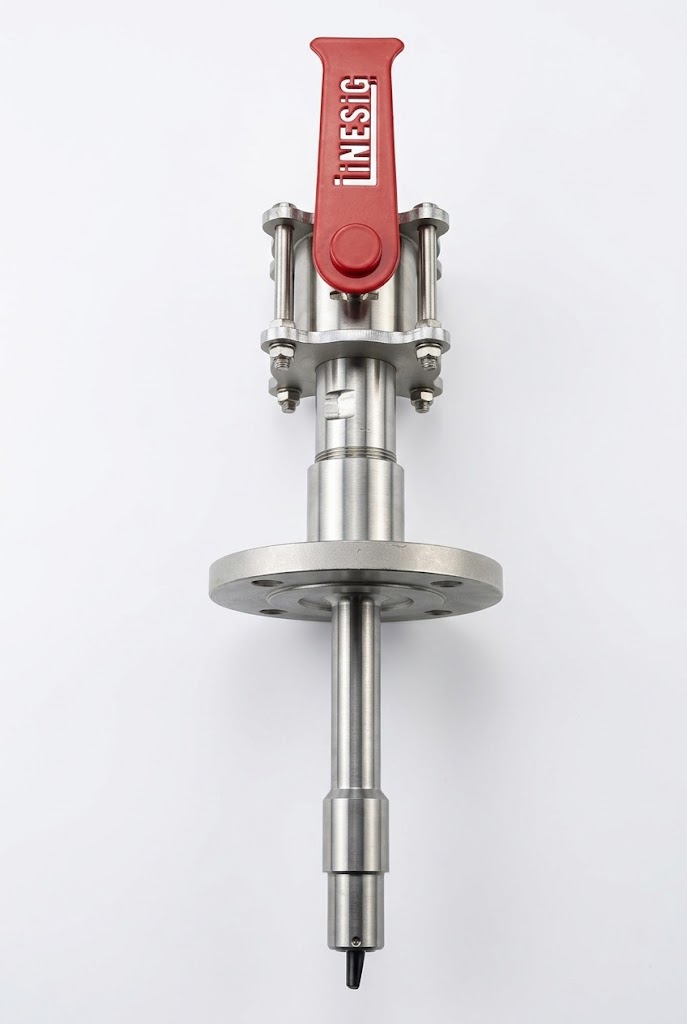
LineSig LS2-TQZ manual flag-type pig signaler with red flag and flanged probe

Design

Key features

  • Bi-directional pig detection
  • Mechanical flag indication
  • No external electrical power required
  • Local visual confirmation
  • Intrusive pipeline sensing mechanism
  • Manual reset arrangement
  • Compact pipeline mounting
  • Suitable for launcher and receiver installations
  • Heavy-duty industrial construction
  • SS316 wetted components available
  • Suitable for hazardous and remote pipeline locations
  • Minimal maintenance requirement

Installation benefits

  • Eliminates uncertainty regarding pig passage
  • Reduces unnecessary pipeline opening
  • Improves pigging sequence control
  • Supports safer launcher/receiver operation
  • Enables remote status confirmation
  • Supports automated valve sequencing
  • Improves pipeline operational records

Technical specification

Specifications

Detection directionBi-directional
Pipeline size range4 in to 48 in
Maximum working pressureUp to 25 bar
Temperature range−20°C to +120°C
Wetted partsSS316
InstallationPipeline / pig launcher / pig receiver
Detection principleIntrusive mechanical trigger
ResetManual / project-specific
Process connectionProject / pipeline dependent
Hazardous area certificationAvailable subject to selected electrical configuration

Materials

Wetted triggerSS316
Wetted shaftSS316
Process sealing componentsService-compatible material
External housingCarbon steel / stainless steel / project-specific
FlagCorrosion-resistant metal
FastenersStainless steel / project-specific

How it works

Operating principle

Normal position: before pig passage, the intrusive trigger projects into the pipeline bore while the flag remains in its normal indication position.

Pig contact: as the pig passes, it contacts the sensing element. Because the mechanism is designed for bi-directional operation, pig movement from either upstream or downstream direction can actuate the device.

Indication: Pig Passage → Flag Changes Position

Reset: following confirmation of pig passage, the mechanism can be reset according to the selected design.

Where it's used

Typical applications

  • Crude oil pipelines
  • Natural-gas pipelines
  • Refined-product pipelines
  • Aviation-fuel lines
  • Petroleum terminals
  • Tank farms
  • Refineries
  • Petrochemical facilities
  • Cross-country pipelines
  • Marine loading terminals
  • Pipeline pumping stations
  • Pigging stations

Typical installation locations

  • Pig launcher — Installed downstream of the launcher to confirm that the pig has successfully entered the pipeline.
  • Pig receiver — Installed upstream of the receiver to confirm pig arrival.
  • Intermediate pipeline location — Used where operational procedures require confirmation that the pig has passed a specific pipeline section.
  • Bidirectional pipeline — Particularly suitable where pigging operations can occur in either direction.

Downloads

Documents

Ordering information

What to send us for a quote

  • Pipeline nominal size
  • Pipe schedule / wall thickness
  • Design and operating pressure
  • Design and operating temperature
  • Pipeline product
  • Pig type and travel direction
  • Flag Type or Dual Type
  • Process connection
  • Wetted and seal material
  • Reset arrangement
  • Hazardous-area classification
  • Cable entry / gland specification, coating and required certification